Insights
|
Solar vs. Traditional Energy: Real Cost Comparison
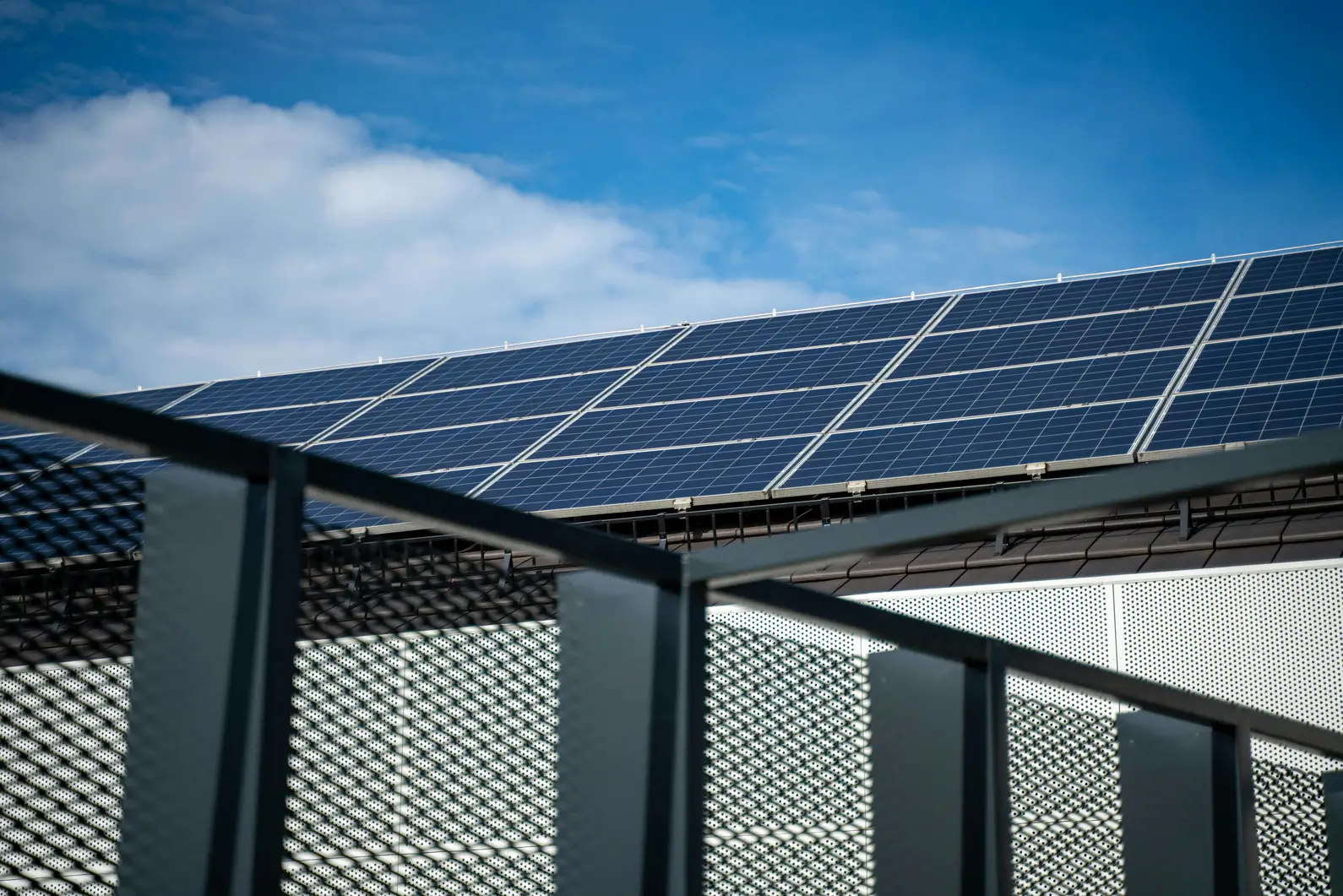
Solar vs. Traditional Energy: A Real Cost Comparison
In Nigeria, choosing how to power your home or business is no longer just about convenience — it’s about cost, reliability, and long-term value. With rising electricity tariffs and the heavy dependence on fuel generators, many Nigerians are now comparing solar energy with traditional power sources.
Let’s break down the real costs of solar energy versus traditional energy and see which truly makes financial sense.
Upfront Cost
Traditional energy appears cheaper at the start. Grid connection fees are relatively low, and generators are widely available at different price points. Solar systems, on the other hand, require a higher initial investment for panels, inverters, batteries, and installation.
However, this upfront cost is a one-time investment. Once installed, your main source of energy is free — the sun.
Monthly Energy Expenses
With traditional energy, costs never stop. Grid electricity bills arrive every month, and generator users must constantly buy petrol or diesel. As fuel prices fluctuate and tariffs increase, these expenses continue to rise.
Solar energy significantly reduces or completely eliminates monthly electricity bills and fuel costs. Over time, these monthly savings add up and can surpass the original installation cost.
Maintenance and Running Costs
Generators require frequent servicing, oil changes, spare parts, and repairs. Breakdowns are common, and long-term maintenance costs can be high.
Solar systems have minimal maintenance needs. Occasional panel cleaning and routine checks are usually enough to keep the system running efficiently for many years, making solar far cheaper to maintain in the long run.
Reliability and Downtime
Traditional energy in Nigeria is often unreliable. Power outages are common, and generators can fail due to mechanical issues or lack of fuel.
Solar provides consistent and predictable power, especially when combined with battery storage. As long as there is sunlight, your system continues to generate energy, reducing downtime and dependence on external factors.
Long-Term Cost Comparison
Over a period of 5 to 10 years, traditional energy costs continue to rise with fuel price increases, tariff adjustments, and maintenance expenses. Solar energy costs remain largely stable after installation.
In many cases, the total amount spent on fuel, generator repairs, and electricity bills over several years is far higher than the cost of installing a solar system.
Environmental and Health Costs
Traditional energy sources contribute to noise pollution, air pollution, and carbon emissions. Generator fumes pose serious health risks, especially in residential and enclosed areas.
Solar energy is clean, quiet, and environmentally friendly. While these benefits may not always appear on a bill, they reduce hidden costs related to health and environmental damage.
Final Verdict
Traditional energy may seem cheaper at first, but its long-term costs are high and unpredictable. Solar energy requires an upfront investment but delivers steady savings, reliable power, and long-term value.
For Nigerians looking to reduce expenses, improve power reliability, and protect their future, solar energy is not just an alternative — it’s the smarter financial choice.