Energy
|
How solar panels actually work, and what affects their output
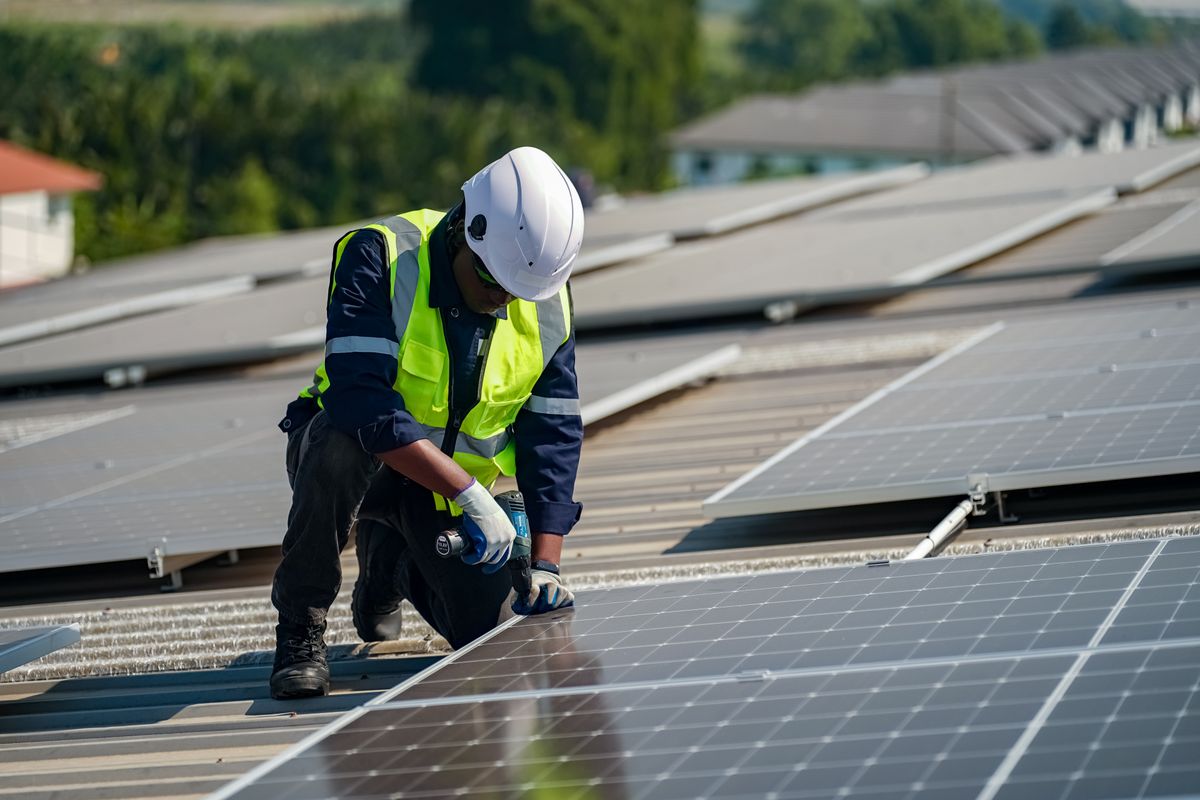
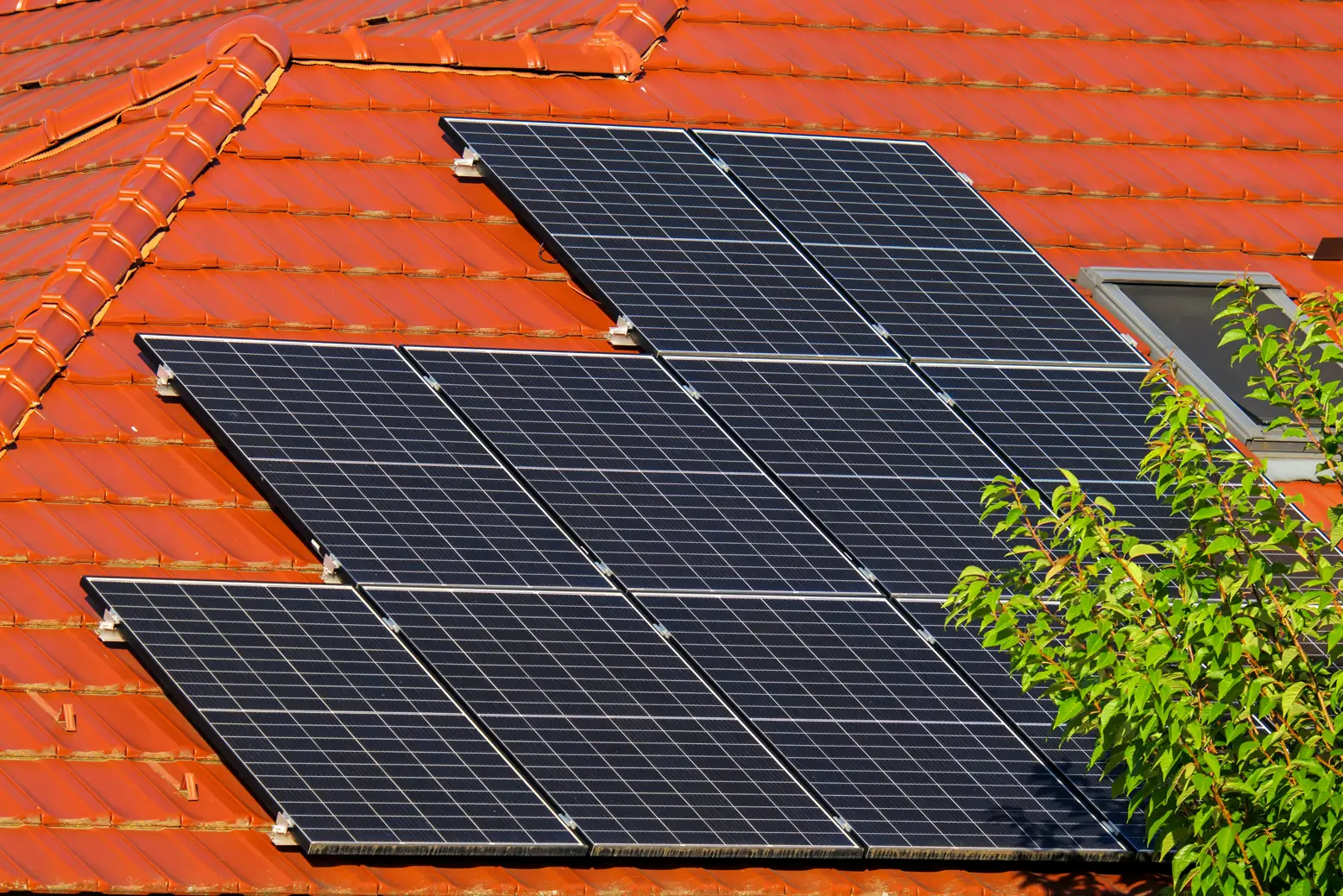
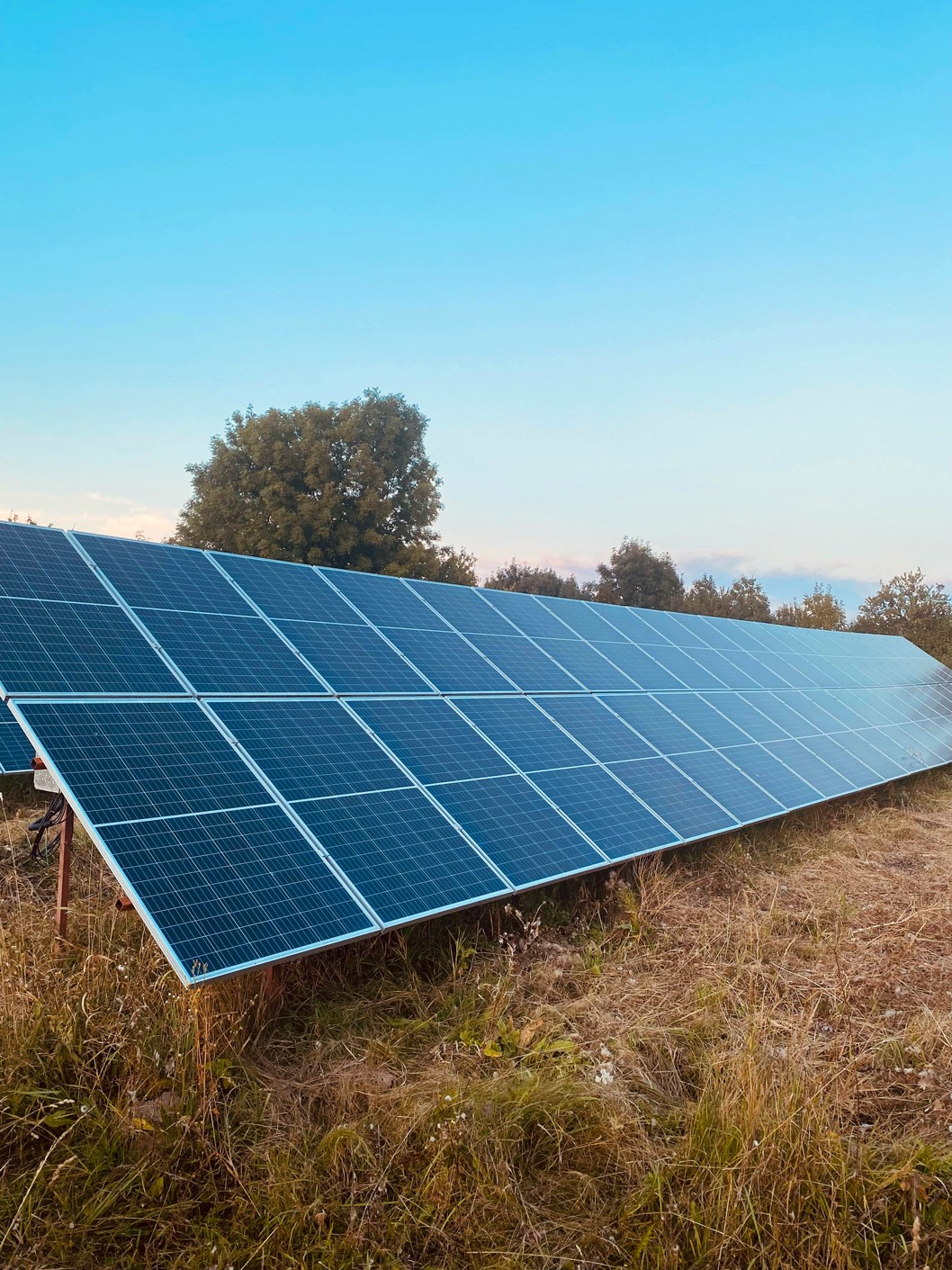
Solar panels can seem like a mysterious piece of technology, but the basic idea is straightforward: they capture energy from daylight and convert it into electricity your home can use.
For most homeowners, this is the main appeal. A solar photovoltaic (PV) system reduces the amount of electricity you need to buy from the grid, cutting your energy bills over the long term. If your panels generate more power than you use, you may even sell the surplus back through the Smart Export Guarantee (SEG).
The physics, simply explained
Solar PV panels contain photovoltaic cells, typically made from silicon — a semiconducting material. When photons from daylight strike the cell, they transfer energy to electrons inside, causing them to move. That movement is an electric current.
The current produced is direct current (DC). Since homes run on alternating current (AC), every solar installation includes an inverter that converts the electricity into a usable form. The panels themselves are built with anti-reflective coatings, multiple layers, and glass casings — all designed to capture as much light as possible and protect the cells from the elements.
From daylight to appliance: the full journey
Daylight hits the panels — even on cloudy days, PV cells capture some light.
The panels generate DC electricity as electrons move through the cells.
The inverter converts DC to AC electricity, suitable for your home.
4Your home uses that electricity first, reducing what you import from the grid.
Any surplus either exports to the grid (via SEG) or charges a battery for later.
"It's like water — you've got the flow rate, which is kilowatts, and the actual volume over time, which is kilowatt hours."
Phil Steele, Future Technologies Evangelist, Octopus Energy
The battery question
Batteries let you store surplus daytime electricity rather than export it immediately. The economics are compelling: exporting might earn you around 15p per kilowatt-hour, but buying it back overnight costs roughly 27p. Store it yourself and that 12p gap stays in your pocket.
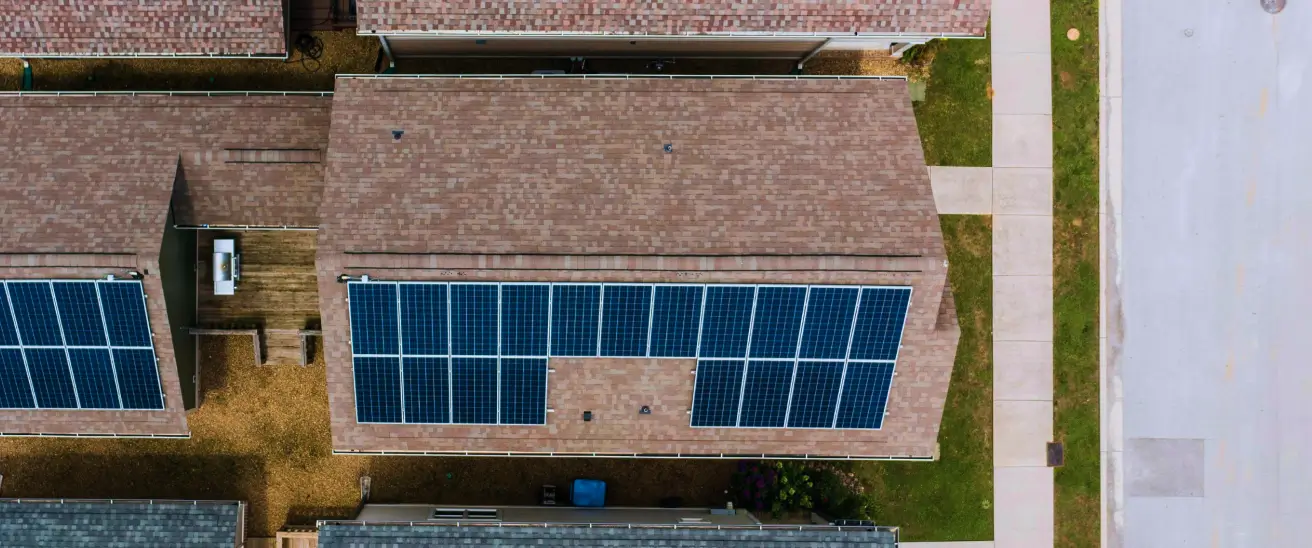
For homeowners considering a system, the most useful starting point isn't the technology itself — it's the realities of your roof. Angle, orientation, shading, and available space determine whether panels will perform well on your specific home, regardless of the brand or model you choose.